


Objective:
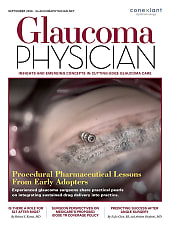
To explore the strategic use of topical drops in conjunction with interventional glaucoma treatments.
Approach:
- Topical drops remain a common first-line treatment for glaucoma, with 74% of ASCRS members using them initially.
- Preservatives in drops can negatively affect ocular surface health and surgical outcomes.
- Fixed combinations of medications can improve effectiveness and simplify treatment regimens.
- Adherence to medication regimens is crucial, with missed doses linked to worse visual outcomes.
- Understanding the interaction between drops and procedures is essential for optimizing treatment.
- The article does not provide extensive data on the long-term outcomes of the proposed strategies.
- Further studies are needed to validate the interactions between specific drops and procedures.
- Primary practice patterns for the initial management of open angle glaucoma
- The association between medication adherence and visual field progression
Key Findings:
Interpretation:
Topical drops should be integrated thoughtfully into glaucoma treatment plans, particularly in conjunction with procedural interventions, to enhance patient outcomes.
Limitations:
Conclusion:
Medications remain relevant in the interventional glaucoma era when used strategically and evidence-based, allowing practitioners to enhance patient care.
Sources:
This content is an AI-generated, fully rewritten summary based on a published scholarly article. It does not reproduce the original text and is not a substitute for the original publication. Readers are encouraged to consult the source for full context, data, and methodology.