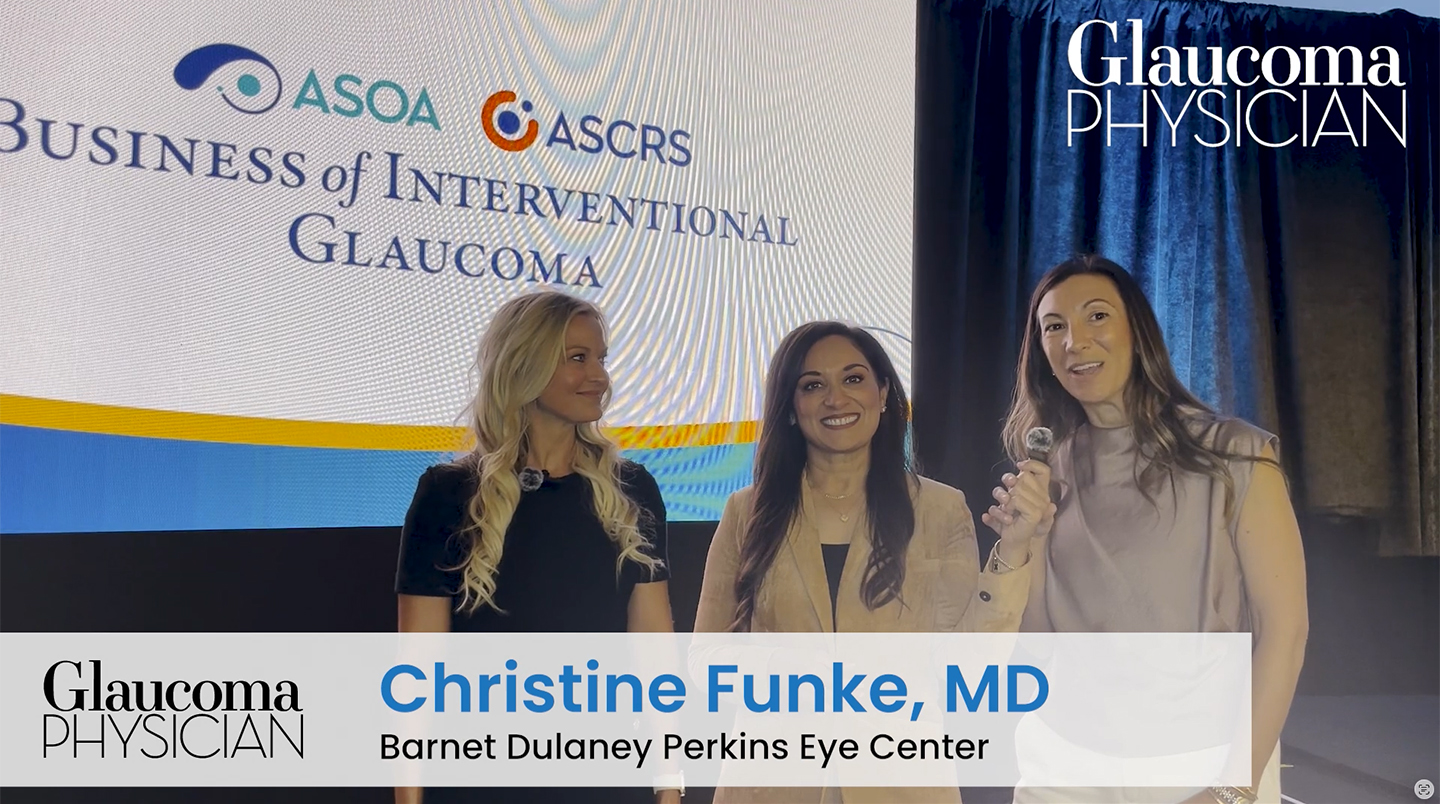


Clinical Scorecard: Video: What Is Interventional Glaucoma?
At a Glance
| Category | Detail |
|---|---|
| Condition | Glaucoma |
| Key Mechanisms | Proactive treatment strategies to prevent disease progression. |
| Target Population | Patients at risk of glaucoma or with early-stage glaucoma. |
| Care Setting | Ophthalmology practices and interventional glaucoma clinics. |
Key Highlights
- Interventional glaucoma emphasizes proactive care rather than reactive treatment.
- Team-based workflows enhance patient education and care delivery.
- Collaboration among surgeons, optometrists, and administrators is crucial.
- Creating a central mission improves practice culture and patient outcomes.
- Early diagnostic testing and communication with referral networks are essential.
Guideline-Based Recommendations
Diagnosis
- Implement early diagnostic testing for glaucoma.
Management
- Shift treatment approaches to be more proactive and intervention-focused.
Monitoring & Follow-up
- Regularly assess patient adherence to treatment and their quality of life.
Risks
- Consider patient-specific factors such as medication adherence and comorbidities.
Patient & Prescribing Data
Patients with glaucoma or at risk of developing glaucoma.
Explore alternative treatment options for patients struggling with current therapies.
Clinical Best Practices
- Foster a collaborative environment among all staff involved in patient care.
- Educate staff to engage patients in discussions about their treatment options.
- Establish a clear mission statement that aligns the team towards interventional glaucoma goals.
Related Resources & Content
This content is an AI-generated, fully rewritten summary based on a published scholarly article. It does not reproduce the original text and is not a substitute for the original publication. Readers are encouraged to consult the source for full context, data, and methodology.