


Objective:
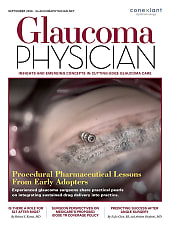
To explore new mechanisms, delivery methods, and therapies improving patient outcomes in glaucoma management, with a focus on enhancing patient adherence.
Key Findings:
- SLT is a cost-effective first-line therapy that may reduce the need for surgery.
- ROCK inhibitors show promise but have side effects limiting their long-term use; further research is needed to understand their full potential.
- QLS-111 demonstrated significant IOP reduction in phase 2 trials and may complement existing therapies.
- Sustained-release implants and transdermal creams could improve adherence by reducing the frequency of medication administration.
Interpretation:
Advancements in glaucoma treatment are shifting towards more effective, patient-friendly options that may enhance adherence and outcomes.
Limitations:
- Current treatments remain palliative without fully understanding glaucoma's pathophysiology; insurance hurdles exist for accessing new sustained-release implants, such as prior authorization requirements.
Conclusion:
While new therapies show promise, traditional methods will continue to play a crucial role in glaucoma management for the foreseeable future, and ongoing research may lead to breakthroughs in understanding and treating the disease.
Sources:
This content is an AI-generated, fully rewritten summary based on a published scholarly article. It does not reproduce the original text and is not a substitute for the original publication. Readers are encouraged to consult the source for full context, data, and methodology.