



Objective:
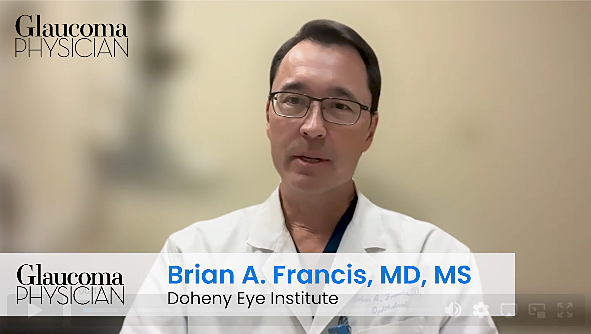
To discuss emerging diagnostics, neuroprotection, and patient-centered advances in glaucoma management.
Approach:
- Neuroprotection is expected to develop before neuroregeneration and neuroresuscitation.
- Advancements in OCT imaging enhance the detection of glaucoma-related changes.
- Automated perimetry is evolving with virtual reality technology for improved patient comfort.
- Lifestyle changes and nutritional supplements may play a role in glaucoma management.
- Early identification of retinal ganglion cell stress can lead to better treatment outcomes.
- Genetic research is crucial for understanding glaucoma and its risk factors.
- Long-term neuroregeneration therapies are still years away from clinical application.
- Current research on lifestyle factors and supplements is ongoing and not yet conclusive.
Key Findings:
Interpretation:
The future of glaucoma management is moving towards personalized, patient-centered approaches that integrate advanced diagnostics and lifestyle factors.
Limitations:
Conclusion:
Continued advancements in diagnostics and treatment strategies are essential for improving glaucoma management and patient outcomes.
This content is an AI-generated, fully rewritten summary based on a published scholarly article. It does not reproduce the original text and is not a substitute for the original publication. Readers are encouraged to consult the source for full context, data, and methodology.